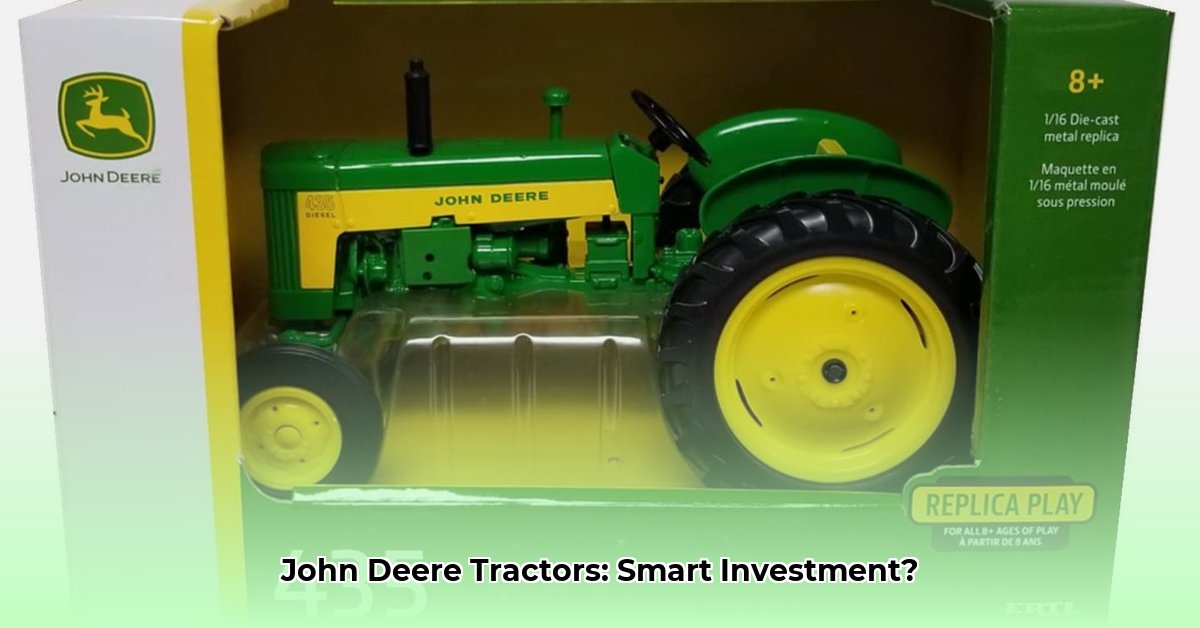
Ever noticed how a seemingly simple John Deere toy tractor can command surprisingly high prices? These aren't just children's playthings; they're coveted collectibles, a miniature reflection of American agricultural history and a potentially lucrative investment opportunity. This guide explores the world of collectible metal John Deere toy tractors, providing actionable insights for both seasoned collectors and newcomers eager to enter this fascinating market. We'll cover everything from identifying valuable models to mastering the art of buying, selling, and preserving these miniature farming icons. For more detailed model identification, check out this helpful resource on John Deere model numbers.
The Dynamic Market for Collectible Metal John Deere Tractors
The market for collectible metal John Deere toy tractors is a vibrant and ever-evolving landscape. Prices fluctuate based on several key factors: rarity, age, condition, and even the current collector interest. A pristine, vintage model can fetch significantly more than a more common, newer tractor. It's a classic case of supply and demand – the rarer and more desirable the tractor, the higher its potential value. Think of it as a microcosm of the art market; a limited-edition piece, much like a Picasso, will always hold greater value than a mass-produced item. But unlike the art market, this one offers tangible and often surprisingly affordable entry points.
Isn't it fascinating how a small metal tractor can become a significant investment? What percentage of your collection do you anticipate will appreciate in value in the next five years?
This market's volatility is similar to the stock market; understanding its fluctuations is crucial for both buyers and sellers. The market reacts to changes in collector demographics, economic trends, and the introduction of new models, making ongoing research essential.
Identifying Desirable Models and Their Key Attributes
Several factors contribute to a metal John Deere toy tractor's desirability and, ultimately, its value. Vintage models from the mid-20th century are highly sought after, embodying a sense of nostalgia for a bygone era. Limited-edition releases and promotional tractors often achieve legendary status among collectors, becoming the "holy grails" of the hobby. The tractor's condition is paramount; minor imperfections can significantly impact its value. A well-maintained tractor will always command a higher price than a damaged one.
Here's a glimpse into some of the most sought-after models:
| Model | Approximate Year Range | Typical Value Range | Key Desirable Features |
|---|---|---|---|
| 4020 Row Crop | 1960s-1970s | $50 - $300+ | Classic design, popular model, relatively rare |
| 70 Series (Various) | 1970s-1980s | $75 - $500+ | Many variations, some with highly desirable features |
| Special Editions | Varies | Highly variable | Limited production runs, unique features |
| Early/Rare Prototypes | Varies | Potentially Thousands+ | Exceptional rarity, significant historical value |
(Note: These value ranges are estimates. Actual value depends on condition and current market demand.)
"The key is understanding the nuances of each model," says Dr. Amelia Hernandez, Agricultural History Professor at the University of Illinois. "Certain features, like original paint or specific design details, can significantly impact a tractor’s value."
Actionable Advice for Collectors
Building a successful collection requires strategy and knowledge. Here's a step-by-step guide:
- Become a Tractor Expert: Immerse yourself in the world of John Deere tractors; understanding models, their historical significance, and market trends is critical.
- Strategic Sourcing: Explore online marketplaces (eBay, Amazon), auction sites, antique shops, and collector shows.
- Meticulous Inspection: Thoroughly examine potential purchases for imperfections. Don't hesitate to ask sellers about the tractor's history.
- Authenticity Verification: Be wary of counterfeits. Compare the tractor to images and descriptions of genuine models.
- Proper Storage: Use protective cases and shelving to preserve condition and prevent damage.
- Detailed Record Keeping: Maintain a detailed log of purchases, including date, price, and unique features. This is crucial for tracking value over time.
Actionable Advice for Sellers
Maximizing your profits requires a strategic approach:
- High-Quality Photography: Showcase your tractors with professional, well-lit photos highlighting all details.
- Comprehensive Descriptions: Provide accurate, detailed descriptions, emphasizing condition, unique features, and any historical context.
- Competitive Pricing: Research market values to set a fair, yet competitive, price.
- Platform Selection: Choose selling platforms that align with your target audience and fees.
- Effective Communication: Respond promptly and professionally to buyer inquiries.
Trend Forecasting: The Future of the Market
The long-term prospects for this collecting niche appear strong. Nostalgia plays a significant role, with older generations holding fond memories associated with John Deere. While economic fluctuations can influence spending, enduring appeal and brand recognition ensure ongoing demand. The market is likely to remain vibrant for years to come, although specific trends will require ongoing monitoring.
Conclusion
The world of collectible metal John Deere toy tractors offers a blend of investment potential, historical significance, and nostalgic charm. By understanding the market dynamics, identifying desirable models, and employing effective buying and selling strategies, collectors and sellers can thrive in this rewarding hobby. The key is ongoing research, careful selection, and a passion for these miniature marvels of agricultural history.